



















Introduction
For over a decade, a single rule has governed Hollywood: familiarity sells. The relentless wave of reboots, sequels, and remakes from the 1990s and 2000s has dominated cinemas and streaming services, offering studios a safe harbor in a risky business. From Ghostbusters: Afterlife to live-action Disney classics, this nostalgia machine printed money.
But as we move through the 2020s, a critical shift is underway. The once-foolproof formula is cracking. Drawing on extensive film industry analysis, this article explores why the nostalgia bubble is deflating and what comes next for the future of movies.
The Rise of the Nostalgia Machine
This trend was no accident. It was a perfect storm of economics, demographics, and technology. A 2023 industry report confirmed that over 65% of annual top-grossing films were based on existing intellectual property (IP). This data cemented a simple, powerful logic for executives: known brands mean lower risk and higher potential reward.
Economic Safety in a Risky Business
With blockbuster budgets soaring past $200 million, studios and streamers clung to pre-sold intellectual property (IP). A known title like Jurassic World offers built-in audience awareness, slashing marketing costs. It’s not a gamble on a new idea; it’s an investment in a proven commodity.
This logic became unshakable as the streaming wars erupted, demanding vast libraries of recognizable content to hook subscribers. The demographic timing was perfect. The kids of the ’90s grew into adults with spending power. For them, a Star Wars sequel or a Pokémon movie isn’t just entertainment; it’s a direct line to their childhood, creating cross-generational events.
The Streaming Platform Amplifier
Platforms like Netflix and Disney+ supercharged the trend. Their algorithms recommend more of what you already like, creating a feedback loop that favors the familiar. More crucially, streamers needed “event” content to drive sign-ups.
What better event than the return of Gilmore Girls or a new Harry Potter series? Nostalgia became the engine for subscriber growth and retention, with data showing legacy sequels often boasting 25% higher viewer completion rates than original shows.
The Cracks in the Foundation: Audience Fatigue
By the mid-2020s, excitement began curdling into weariness. The law of diminishing returns set in, not just at the box office but in the cultural conversation. Analysis shows a steady decline in the staying power of legacy sequels after their opening weekends, signaling weaker word-of-mouth.
Diminishing Returns and Critical Backlash
A clear pattern emerged: brand name alone was no longer enough. Films like Terminator: Dark Fate (2019) and Indiana Jones and the Dial of Destiny (2023) underperformed, met with a collective audience shrug. The question shifted from “Do you remember this?” to “Why does this exist now?”
Projects seen as cynical cash-grabs were punished. A 2024 industry survey found younger audiences now rank “original storytelling” above “familiar characters” when choosing what to watch. Fatigue was fueled by sheer saturation. When every other release is a revival, the “special event” feeling vanishes.
The Hunger for Original Stories
Ironically, the reboot era sparked a fierce hunger for the new. The staggering success of original films like Everything Everywhere All at Once and Barbie (which brilliantly subverted IP expectations) sent a clear market signal.
On television, water-cooler sensations like The Bear and Severance proved originality drives conversation and prestige. These successes raised the bar, making simple nostalgia plays feel safe, lazy, and uninspired by comparison.
The 2026 Landscape: A Strategic Pivot
Facing these headwinds, the industry’s playbook is evolving. The strategy is shifting from mere revival to thoughtful reinvention. Studios are now balancing their portfolios, mixing legacy projects with bold, original bets.
From Reboot to “Legacy Sequel” and Reimagining
The straightforward remake is dying. The new gold standard is the “legacy sequel,” exemplified by Top Gun: Maverick or Creed. These films bring back iconic characters to authentically pass the torch, honoring the past while forging a new path.
Similarly, bold reimaginings like Denis Villeneuve’s Dune are prized. They radically adapt the source material with a strong directorial vision, offering a fresh aesthetic and thematic perspective that justifies the new version. This shift acknowledges a savvy modern audience who can stream the original with a click.
The “Soft Reboot” and Animated Opportunities
The “soft reboot” is gaining traction—a new story in a familiar universe designed for newcomers, with Easter eggs for veterans. Animation has become a particularly powerful tool for revival.
It allows original voice casts to return and enables stylized storytelling that live-action can’t match. Series like X-Men ’97 have been hailed for continuing classic stories with narrative and stylistic integrity, resonating deeply with original fans while welcoming new ones.
Case Studies: The New Rules in Action
Recent high-profile releases provide a clear playbook for what works and what fails in today’s nuanced nostalgia market.
Success Story: Vision Over Replication
Dune: Part Two (2024) is a masterclass. Director Denis Villeneuve didn’t just film the book; he transformed it into a monumental cinematic experience, emphasizing its ecological and political themes with a unique visual language.
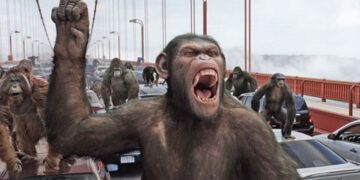
Its massive success proved that a visionary, auteur-driven approach can satisfy hardcore fans and captivate a new generation. It treated the IP as a foundation for art, not just commerce. Likewise, the Planet of the Apes trilogy succeeded by using its premise to explore profound themes, elevated by groundbreaking technology.
Cautionary Tale: The Hollow Cameo Fest
In contrast, The Flash (2023) serves as a stark warning. Despite the much-hyped return of Michael Keaton’s Batman, the film crumbled under a weak story and a reliance on nostalgia cameos that felt like a substitute for substance. It failed to answer the essential “why now?”
The greatest risk for any revival is not in changing too much, but in daring too little. Nostalgia is a seasoning, not the main course.
The film offered past glory without a compelling present, resulting in a major financial disappointment.
Actionable Insights for Future Franchises
For creators and executives, the path forward requires strategy, not just sentiment. Here are evidence-based guidelines for future movie franchises:
- Find Your “Why”: Before writing a single scene, ask: “What unique perspective does this new chapter offer?” If the only answer is brand recognition, stop. Use cultural analysis to test if the original’s core themes still resonate today.
- Hire Visionaries, Not Custodians: Empower filmmakers with a distinct point of view. Projects like Andor succeeded because directors like Tony Gilroy had a powerful, personal vision for the legacy world.
- Design for Newcomers and Fans: Reward superfans with deep-cut references, but ensure the core emotional journey stands alone. The narrative must be accessible to someone with zero prior knowledge.
- Explore the Universe, Not Just the Sequel: Look beyond the main characters. Consider prequels, side stories, or genre-bending tales set in the same world. Animation can unlock continuations that live-action cannot.
- Measure True Impact: Look beyond opening weekend box office. Analyze long-term streaming completion rates, social media sentiment, and rewatch value to gauge real cultural staying power.
The data is clear: audiences are not rejecting the past, they are demanding it be used as a launchpad for the future, not a museum piece.
FAQs
A reboot typically starts a franchise’s story over from the beginning, often with a new cast and a fresh take on the origin (e.g., 2017’s Spider-Man: Homecoming). A legacy sequel, however, is a direct continuation set in the original story’s universe, often bringing back original characters to mentor a new generation, thus honoring the existing canon while moving the story forward (e.g., Top Gun: Maverick or Star Wars: The Force Awakens).
Their success provides a critical counter-signal to the dominance of IP. They prove there is a massive, profitable audience for bold, new ideas, which encourages studios to take creative risks. These films also generate outsized cultural conversation and prestige, raising the bar for all films and demonstrating that originality can be a major commercial asset, not just a niche endeavor.
While box office remains key for theatrical releases, studios now heavily analyze streaming performance metrics like completion rates, subscriber acquisition/retention linked to a title, and social media sentiment (volume and tone). They also look at long-tail engagement such as rewatch rates, merchandise sales, and the title’s ability to spawn fan communities, which indicate deeper cultural impact and franchise potential.
No, the trend is not over; it is evolving. The era of low-effort, cash-grab reboots is fading. Nostalgia is now most successful when used as a foundation for high-quality, innovative storytelling—such as in legacy sequels, visionary reimaginings, or universe expansions. The audience’s connection to the past is still powerful, but it must be earned with a compelling new reason to engage.
Approach Definition Example Key to Success Legacy Sequel Direct continuation of an original story, often decades later, passing the torch to new characters. Top Gun: Maverick (2022) Authentic character evolution, honoring legacy while forging a new, standalone emotional journey. Reimagining A radical new take on source material, often in a different tone, style, or medium. Dune (2021) / Cyberpunk: Edgerunners A strong, singular directorial vision that offers a fresh perspective and justifies the new version. Soft Reboot A new entry accessible to newcomers, set in an established universe but not requiring prior knowledge. Cobra Kai (TV Series) Balancing Easter eggs for fans with a self-contained narrative that hooks new audiences. Animated Revival Continuing a classic animated series or film, often with original creative teams or voice actors. X-Men ’97 (2024) Maintaining the original’s core spirit and style while advancing mature storylines for an aged-up audience.
Conclusion
The nostalgia bubble isn’t bursting; it’s maturing. The lazy, assembly-line reboot is losing steam, and that’s a victory for storytelling. Audiences have voted: they love their past but demand a bridge to the future.
The successes of this new era will use nostalgia as a foundation for innovation, not a substitute for it. They will honor legacy through creative ambition. The data-driven lesson for Hollywood is clear: in a world flooded with content, true value lies not in what we remember, but in what reimagines our memories for a new age. The future of movies belongs not to the reboot, but to the thoughtful, visionary expansion.
