



































Introduction
Remember the simple dilemma of choosing between a handful of cable channels? That era is long gone. Today, we navigate a dizzying array of streaming services, each vying for our monthly subscription. The “Streaming Wars” have entered a critical new chapter. The initial land grab for subscribers is over, replaced by a fierce battle for profitability and sustainable growth.
This article analyzes the current state of play, identifies the key strategies for survival, and forecasts which platforms are positioned to thrive as we approach 2027. We’ll cut through the hype with insights from industry leaders and financial analysts, examining the pillars of success: content, pricing, global strategy, and technological innovation.
The Current Battlefield: Consolidation and Correction
The market has undergone a dramatic reality check. The pandemic-fueled surge in subscriptions has faded, and investors now demand clear profits, not just user growth. This correction has triggered industry-wide price hikes, the rapid adoption of advertising-supported tiers, and a wave of mergers. The “growth at all costs” model is obsolete.
As highlighted in financial analyses, the new mantra is free cash flow and sustainable unit economics. The industry is now in a period of strategic consolidation and correction.
The Rise of the Bundled Ecosystem
No single service can satisfy every viewer’s desire. In response, major players are creating comprehensive entertainment bundles. Disney offers Disney+, Hulu, and ESPN+. Warner Bros. Discovery combines Max and Discovery+ with live sports. These bundles aim to increase “stickiness”—the likelihood a customer will stay subscribed—by offering multifaceted value.
“The future of streaming is not a single app, but a curated bundle of apps that feels like one seamless experience to the consumer. It’s the modern cable package, delivered over the internet.” – Industry Strategist
The logic is backed by churn data. A household might subscribe to Netflix for a month, then switch to Apple TV+. However, a bundle addressing children’s entertainment, reality TV, and live sports creates multiple engagement hooks. The most successful bundles cater to different viewer personas under one roof, transforming streaming from a transactional product into an indispensable household utility.
The Profitability Imperative
Wall Street’s patience has expired. Streamers are under intense pressure to prove they can be profitable. Two tactics have emerged as industry standards: cracking down on password sharing and aggressively monetizing advertising. Netflix’s password-sharing initiative, which added millions of paid memberships, became a blueprint for the industry. This strategic pivot is a key component of the broader future of streaming and the great rebundling as analyzed by industry experts.
This shift means success is no longer measured solely by subscriber count. Key performance indicators now include Average Revenue Per User (ARPU) and operating margin. The fight is for profitable viewers. With the average cost of a premium drama series soaring, this financial imperative will dictate every strategic move through 2027.
| Primary Lever | Method | Industry Example |
|---|---|---|
| Increase ARPU | Price hikes, premium ad-free tiers, add-on channels | Netflix, Disney+, Max |
| Expand Subscriber Base | Ad-supported tiers, international expansion, telecom bundles | Paramount+, Prime Video Channels |
| Reduce Cost/Churn | Password sharing crackdown, AI-driven content investment, improved discovery to boost engagement | Netflix, Apple TV+ (curated quality) |
The Titans: Assessing the Major Players
A few established giants enter this new phase with formidable advantages. Their scale, content libraries, and financial resources make them likely survivors, yet each faces unique challenges requiring precise strategic navigation.
Netflix: The Defending Champion
Netflix remains the global leader in subscribers and cultural impact. Its strengths are significant: a vast, diverse content library, unparalleled brand recognition, and sophisticated recommendation algorithms honed by decades of viewer data. Its proactive moves on password sharing and advertising demonstrate remarkable operational agility.
However, its throne is not unassailable. In mature markets, growth has slowed. While its content output is enormous, quality can be inconsistent compared to studios with deep reservoirs of classic intellectual property (IP). To maintain dominance, Netflix must continue to generate global, must-watch phenomena while countering competitors leveraging exclusive live sports and evergreen franchises.
The Conglomerate Challengers: Disney and Warner Bros. Discovery
These media giants wield a powerful weapon: decades of beloved, owned franchises. Disney’s empire—Marvel, Star Wars, Pixar, and Disney Animation—makes Disney+ a near-essential service for families. Warner Bros. Discovery merges the prestige of HBO with the vast unscripted library of Discovery and major sports rights.
Their challenge is integration and cost. Merging corporate cultures and content libraries is complex and expensive. Funding massive content budgets while managing significant debt forces difficult choices. Their survival hinges on creating a seamless user experience, rationalizing spending toward high-ROI franchises, and leveraging their IP to create exclusive, premium experiences unavailable elsewhere.
The Niche and the Vulnerable
Not every service can be a global titan. Some will survive by serving a dedicated, specific audience, while others face an uncertain future as investment capital becomes more selective.
The Specialty Survivors: Apple TV+ and Paramount+
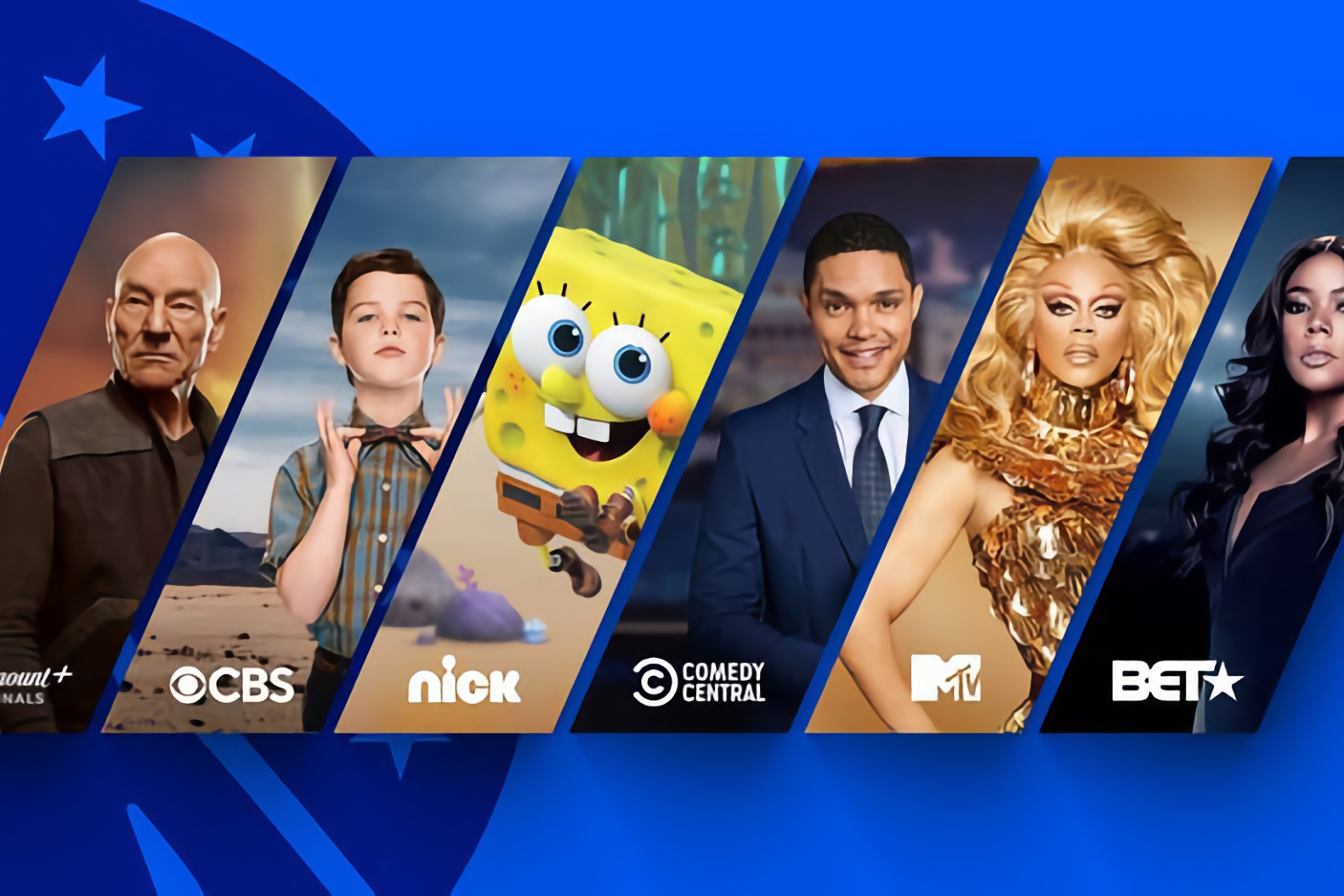
Apple TV+ operates on a different paradigm. With a curated library of high-quality, award-winning originals, it functions as a loss leader to enhance the value of Apple’s device ecosystem. Its survival is secured by Apple’s immense capital reserves. Paramount+ employs a dual strategy: leveraging nostalgia through classic libraries and providing vital live access to CBS programming and NFL games.
These services prove that in a crowded market, a clear, defensible identity is crucial. For Apple, it’s prestige and ecosystem integration. For Paramount, it’s live broadcast synergy and nostalgia. They may not challenge for the top spot, but their defined lanes can sustain a loyal, core subscriber base.
Services on the Bubble
The most vulnerable are mid-tier services without a unique value proposition or a deep-pocketed parent committed for the long term. Standalone services built around a single genre or creator face immense pressure to either be acquired or shut down as customer acquisition costs soar.
The coming years will likely see further consolidation. The critical question is corporate commitment. Does the parent company view streaming as a core, must-win business, or a dispensable experiment? This strategic stance will be more decisive than any single hit show.
The Global Game: International Expansion as a Lifeline
With saturated markets in North America and Western Europe, the next major growth frontier is Asia-Pacific, Latin America, and Africa. Success requires a deeply localized strategy that transcends simple geographical expansion.
Local Content is King
The global winners will be those investing heavily in local-language originals. Netflix’s strategy in South Korea and India is the prime example. These investments build intense local loyalty and can yield global blockbusters, delivering exceptional returns. Simply offering a catalog of American shows is no longer a competitive strategy in emerging markets.
This creates a high barrier to entry. Producing authentic local content requires cultural insight, local partnerships, and significant investment. The global titans are best positioned to fund this portfolio approach, potentially locking smaller players out of the world’s fastest-growing viewer markets. The strategic importance of this approach is underscored by research on digital media trends and evolving consumption habits in global markets.
Navigating Regulatory Hurdles
Global expansion is a regulatory maze, not just a content challenge. Services must comply with varied rules on data privacy, local content quotas, and taxation. Success often requires strategic partnerships with local telecoms or media companies.
The ability to manage this operational and legal complexity on a global scale is a major advantage for the largest, most experienced players with dedicated international divisions. Navigating these hurdles is a key component of sustainable international growth.
The Technology and Experience Arms Race
Beyond content, the user experience and underlying technology are becoming critical differentiators. The intelligence and performance of the platform itself are now as important as the shows it hosts.
Personalization and Discovery
With libraries containing tens of thousands of titles, helping users find content they love is essential to reducing churn. The silent battleground is advanced AI for hyper-personalized recommendations. The service that best curates a unique “channel” for each user will achieve higher engagement.
Features like sophisticated kids’ profiles and synchronized watch parties are becoming baseline expectations that directly impact subscriber satisfaction. A superior discovery engine is a powerful tool for retention in the streaming wars.
The Live Sports and Event Gambit
Live programming is the ultimate weapon against churn. You can binge a series and cancel, but you can’t time-shift a championship game or award show. The aggressive pursuit of live sports rights by Amazon, Apple, and the conglomerates is a direct strategy to create “appointment viewing.” This high-stakes competition for rights is a defining feature of the evolving media landscape as documented by government accountability reports.
This is an expensive gambit with thin margins, but for those who can afford it, it may be the ultimate retention tool. It mimics the stability once provided by cable bundles built on sports, creating a consistent reason for subscribers to stay month after month.
Actionable Insights for the Viewer and Investor
How should you navigate this complex and shifting landscape? Here are evidence-based takeaways for different stakeholders.
- For Subscribers: Expect more bundles offered through your telecom or credit card company. Adopt a strategic rotation: maintain 1-2 core services and add short-term subscriptions for specific shows. The ad-supported tier often offers the best value, but audit your viewing habits to see if an ad-free premium is worth the cost.
- For Content Creators: Demand for distinctive, high-quality content remains strong, but buyers are consolidating. Success requires understanding each platform’s specific brand and target demographic. Industry data shows sustained appetite for limited series and genre content with cross-cultural appeal.
- For Investors: Focus on services with a clear path to positive free cash flow, strong owned IP, and a competitive moat in global expansion or live events. Prioritize companies where streaming is a core, well-funded strategic priority. Analyze ARPU growth as diligently as subscriber growth.
Expert Perspective: “The market is transitioning from a land-grab to a value-extraction phase,” notes leading media analyst Michael Nathanson. “The winners will be those who can master unit economics while maintaining creative excellence. It’s a difficult but necessary balance.”
| Category | Likely Services | Key Success Factors |
|---|---|---|
| The Global Titans | Netflix, Disney+ (in a bundle), Amazon Prime Video | Massive scale, global content investment, technological edge in discovery and delivery |
| The Integrated Conglomerates | Max (Warner Bros. Discovery), Paramount+ (likely bundled or partnered) | Deep owned IP libraries, live sports/news, successful cross-company bundling |
| The Niche/ Ecosystem Players | Apple TV+, possibly one specialty service (e.g., Crunchyroll) | Defined audience, ecosystem value (hardware/software synergy), or parent-company strategic support |
| Consolidated or Absorbed | Many current mid-tier and standalone services | Lack of scale, unclear differentiation, unsustainable customer acquisition costs |
FAQs
The core metric of success has fundamentally shifted. Five years ago, the battle was purely for subscriber growth and market share, with many services operating at a loss to attract users. Today, the primary focus is on profitability and Average Revenue Per User (ARPU). Investors now demand sustainable business models, leading to widespread price increases, ad-supported tiers, and crackdowns on password sharing.
Overall, you should expect the cost for a premium, ad-free experience to continue rising. However, the proliferation of advertising-supported video-on-demand (AVOD) tiers will provide more budget-friendly options. The key trend will be value through bundling. You may pay more overall, but you’ll likely get access to 2-3 services packaged together by a single company or through your internet/cable provider, which can offer better value than subscribing to each service individually.
Mid-tier, standalone services without a clear niche or a deep-pocketed corporate parent are most vulnerable. These are services that lack must-have exclusive franchises, a dedicated genre focus (like anime or horror), or live sports. They struggle with the high costs of original content and customer acquisition in a crowded market. Many will likely be acquired for their content libraries or shut down entirely by 2027.
Live sports are the ultimate antidote to subscription churn. Unlike scripted series that can be binged and dropped, major sporting events are time-sensitive “appointment viewing.” Subscribers are less likely to cancel a service that provides consistent access to their favorite live games or leagues. This creates a stable, recurring revenue base, similar to how sports channels anchored traditional cable bundles.
Conclusion
The Streaming Wars are not ending; they are evolving into a more mature and rational—yet increasingly brutal—phase of industry consolidation. By 2027, we predict a stratified landscape: a handful of global titans, several successful bundled conglomerates, and a few niche players surviving on specificity.
The victors will master the trifecta of profitable scale, must-have exclusive content, and a superior, personalized user experience. For viewers, this promises more stable, high-quality bundles but potentially less choice among major standalone platforms. The era of something for everyone is giving way to the era of everything for someone. The battle to be that “someone’s” primary, indispensable service will define the economics of entertainment for the next decade.
