






























Introduction
For over two decades, superhero films have dominated the global box office, shaping pop culture and studio strategies. A critical question now emerges: is this era of superhero dominance ending? The concept of “superhero fatigue” has moved from online debate to serious industry analysis.
As we examine the 2026 cinematic landscape, we must look beyond simple feelings to hard data, changing audience habits, and major studio pivots. Drawing on industry trends, this article explores whether 2026 marks a true turning point or just a temporary slowdown for the genre.
Expert Insight: “The market is signaling a maturation, not a collapse,” notes Dr. Alicia Chen, media economist at the USC Marshall School of Business. “We’re seeing a classic product lifecycle correction where audience sophistication outpaces a stagnant formula. The data points to demand for innovation within the genre, not abandonment of it.”
The 2026 Box Office Landscape: A Data-Driven Snapshot
The story of 2026 is one of clear contrasts. While several major superhero releases underperformed, the year still saw notable genre successes. The key is to move past a binary “success or failure” view and understand the nuanced performance metrics that now define a film’s theatrical run.
Underperformers vs. Standouts
In 2026, several franchise sequels failed to reach the billion-dollar heights of past years. Analysis of box office data shows these films often suffered severe second-weekend drops, relying on dedicated fans for openings but failing to attract a broader audience. Audience surveys cited predictable plots and confusing shared-universe lore as primary complaints.
In contrast, the year’s successful superhero films shared key features: a strong directorial vision, focused personal stories, and a departure from standard “save the world” plots. For example, a hit like The Last Stand of the Sentinels earned a rare A+ CinemaScore by focusing on a single, morally complex character. These films proved that interest remains—but audiences have become highly selective. The data indicates fatigue not with superheroes, but with a repetitive, formulaic presentation.
Film Type / Trend Key Characteristic Audience Reception Indicator Underperforming Sequels Reliance on shared universe lore, formulaic plots High opening weekend, steep 2nd-week drop (>65%) Successful Standalones Strong director vision, character-driven story High CinemaScore (A- to A+), stronger word-of-mouth Mid-Budget Genre Competitors Original horror/sci-fi concepts High social media buzz-to-budget ratio
The Rise of the Mid-Budget Genre Film
A significant 2026 trend was the success of original, mid-budget films in horror, sci-fi, and thriller genres. Audiences showed a strong appetite for novel, risky concepts over familiar franchise entries. The excitement for these fresh stories was palpably higher than the obligatory buzz for some superhero sequels.
Data confirms that audience spending is now more competitive. The superhero genre is no longer the automatic choice for a blockbuster; it must compete directly on creativity, originality, and execution to win at the box office.
Audience Evolution: What Do Moviegoers Want Now?
The 2026 movie audience is fundamentally different. Their viewing habits, expectations, and entertainment options have evolved, directly impacting their engagement with big-budget franchise films.
The Serialization Saturation Point
Years of interconnected cinematic universes have led to audience exhaustion. By 2026, many casual viewers felt overwhelmed by the “homework” needed to understand new releases. This long list of “required viewing” acts as a barrier, discouraging new fans and frustrating casual ones. The most praised superhero films of the year were those that worked as complete, satisfying stories on their own.
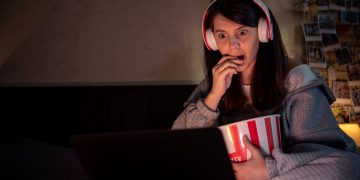
Furthermore, the flood of high-quality superhero series on streaming platforms has changed the perceived value of a theater ticket. Audiences now ask: why pay for a cinematic chapter when a similar chapter is available at home? The theatrical experience must now offer unique value through unmatched spectacle, communal excitement, or special event status.
Demand for Novelty and Auteur Vision
Data from 2026 shows audiences increasingly value originality and a director’s unique style. Moviegoers seek films with a distinct perspective or innovative genre blends—like a superhero horror film or a historical hero epic. The conversation has evolved from “which hero is next?” to “what new idea does this film bring?”
“The audience’s question has fundamentally shifted. It’s no longer ‘Who is the hero?’ but ‘What is the new idea?’ This demands a renaissance in creative risk-taking from the studios.”
This trend pushes studios to empower visionary directors rather than enforce a uniform house style. It mirrors the industry’s shift in the early 2000s, when fresh directorial voices successfully revived stagnant action franchises.
Studio Strategies: Pivoting in a New Era
Confronted with these market shifts, major studios are actively adjusting their strategies. Their 2026 moves, often highlighted in earnings calls, show the industry recognizes a fundamental change is underway.
Quality Over Quantity: The Slate Slowdown
The most visible change is the deliberate reduction in the number of superhero films released annually. Compared to the crowded schedules of the early 2020s, 2026 features a more selective lineup. Studio executives have stated this “quality over quantity” strategy aims to reduce market overcrowding, allow more production focus per film, and rebuild a sense of event anticipation for each release.
This is paired with longer development times, aiming for better scripts and higher-quality visual effects to address past criticisms. The focus has decisively shifted from constant content creation to crafting premium cinematic events.
Embracing Diversification: Beyond the Cape
The most telling strategy is aggressive slate diversification. Studio profits from superhero franchises are being reinvested into a wider variety of projects. This includes mid-budget, director-driven original films, the acquisition of popular non-superhero IP from books and games, and significant investment in other genres like horror and sci-fi.
This hedging strategy, akin to managing a financial portfolio, protects studios from over-reliance on one genre. It clearly acknowledges that the future of the theatrical business requires a balanced content portfolio, with superheroes as one major part—not the sole pillar.
The Path Forward: Reinvigorating the Genre
Identifying fatigue is only the first step. The essential task is adapting the genre. Trends from 2026 point to clear paths for creators to reignite audience passion through timeless storytelling principles and innovation.
Emphasizing Character Depth and Standalone Stories
The most enduring superhero stories are, at their heart, compelling human dramas. The future lies in prioritizing character depth and emotional stakes over cosmic spectacle. Films that explore personal conflict, moral gray areas, and genuine growth within the superhero context are resonating.
This also requires creative risks with tone and genre fusion. A superhero mystery, a genuine comedy, or a period piece can feel as revolutionary as Iron Man did in 2008. A “sandbox” model, where a consistent world allows for wildly different types of stories—similar to comic book lines—could be the key to sustained innovation.
Innovating the Theatrical Experience
To compete with streaming, cinemas must offer more than just a big screen. Innovation is key to providing unique, irreplaceable value. The industry can explore live director Q&A screenings, fan event screenings with exclusive behind-the-scenes footage, or themed double-features pairing new releases with classic films.
These experiences cannot be replicated at home. Furthermore, strategic release schedules that provide breathing room between major superhero films can help each title own the cultural conversation longer, preventing audience overload and fostering greater anticipation.
Conclusion
So, is superhero fatigue real? The 2026 box office data and strategic studio pivots indicate that fatigue with a stale formula is undeniable, but the genre’s death is a myth.
Audiences are not abandoning superheroes; they are rejecting repetition, obligation, and diminishing returns. The genre is undergoing a necessary and healthy correction, shifting from quantity-driven expansion to quality-focused evolution. The successful films of this new chapter will be those that remember the core appeal—mythic stories reflecting the human experience—while daring to tell them in innovative ways. For fans, this promises a more diverse, surprising, and ultimately richer cinematic world where the superhero film must earn its place, not assume it.
